Storytelling Cutscenes in Kusan City of Wolves
Comic-panel storytelling, cast introductions, and how presentation supports hardcore combat.
Presentation is part of the combat identity
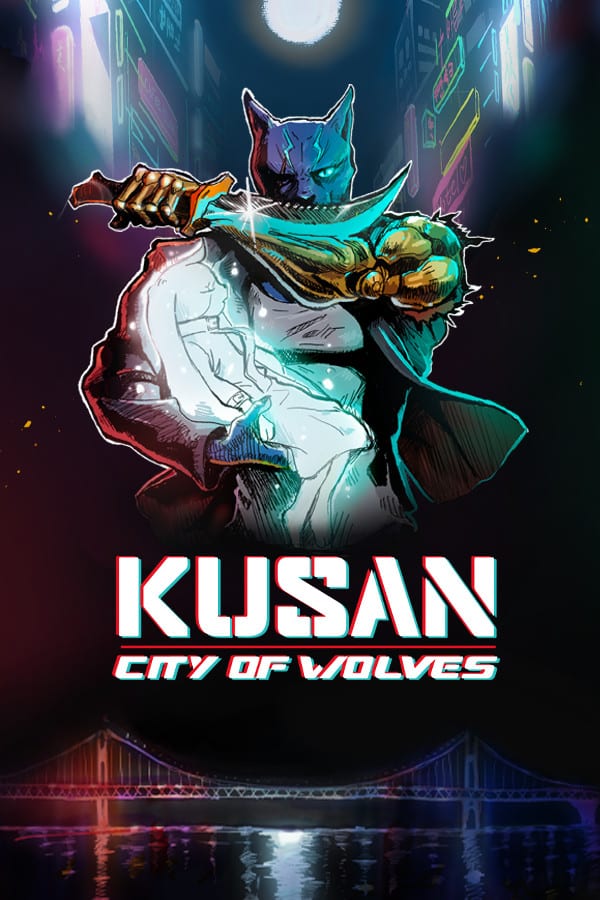
Kusan City of Wolves does not pause the neon streets for hour-long cinematics. CIRCLEfromDOT and PQube lean on graphic-novel cutscenes, comic panels, and sharp character introductions so you understand why Jin keeps accepting worse jobs while the next arena loads. This page explains how that storytelling style works, what to watch for without spoiling chapter twists, and how presentation ties to the hardcore loop launching July 30, 2026.
For plot structure without panel craft, read Story Overview. For who is who, use Jin and Cast.
What the comic-panel style is doing
Pixel-art stages carry mood; panels carry motive. Between firefights you get:
- Relationship stakes — Jin’s fixer code colliding with Haru’s dangerous importance
- Faction pressure — underworld and institutional shadows without a lore dump wall
- Tone resets — rain, neon, and silence after a brutal clear so the next song hit lands harder
The soundtrack by Loptimist often does half the emotional work. Treat music and panels as one presentation system, not separate extras.
Cast introductions through cutscenes
Character trailers and in-game panels introduce faces you will fight beside or against as chapters open. Names such as Wonny, Ayn, DJ Garak, Guan, and Hoban surface with attitude first, biography second. That is intentional: Kusan wants you to feel the city’s social temperature before you memorise dossiers.
Watching the main-character presentation once is enough for launch prep. Re-watching for theory crafting is optional; practicing Quantum Knife facing is not. Pair lore curiosity with Launch Prep so trailer tabs do not steal drill time.
Making-of craft without breaking immersion
Public clips have shown how comic sequences and UI feedback are assembled—panel timing, result screens, and city atmosphere beats. You do not need production trivia to clear stages, but noticing craft helps you read telegraphs in story beats the same way you read boss wind-ups: intentional shapes, deliberate pacing, no accidental frames.
If you enjoy presentation deep dives, keep them secondary to How to Play and Parry and Combos. Style on the scoreboard still comes from converts, not from skipping panels faster.
How to watch cutscenes as a player
- First pass — care. Absorb why Jin and Haru are moving through this district.
- Second pass — cast tags. Note new names and allegiances without hunting wikis mid-run.
- Third pass — mood tools. Lighting, rain, and music cues often foreshadow denser combat chapters.
Avoid spoiler threads if you want panel surprises intact. This wiki stays light on twist specifics on purpose.
Demo and full-game storytelling scope
The live demo—including the Switch demo since June 22, 2026—already showcases graphic-novel tone and cast energy. It is not the full chapter novel. Expect denser panel sequences and more faction collisions across the 54 hand-crafted stages at launch. Demo reception chatter often praises presentation alongside combat; see Demo Reception.
Connecting story pages and combat pages
- Care about the job: Story Overview
- Know the faces: Jin and Cast
- Survive the streets: Getting Started
- Clear early plot gates: Early Chapters
- Index: Characters Hub
Common presentation pitfalls
- Skipping every panel then complaining the plot is thin
- Pausing a hot streak for a twenty-tab lore dive mid-chapter
- Treating character trailers as mechanical tutorials
- Spoiling yourself on cast outcomes before demo bosses teach patience
Final note
Storytelling cutscenes in Kusan City of Wolves are the handshake between noir motive and arcade precision. Watch enough to care, then let War Hand and Quantum Knife continue the sentence. When a panel ends and an arena begins, you should already know what you are willing to risk—and your hands should be ready to risk it cleanly.
Frequently Asked Questions
Quick answers to the most common questions.
Does Kusan City of Wolves use full 3D cutscenes?
The identity leans on graphic-novel panels and comic-style storytelling between pixel-art combat stages.
Should I skip cutscenes for S-Rank practice?
You can minimise them later, but first-pass watching helps motives stick without needing external spoilers.
Where do I learn character roles?
Start with Jin and Cast, then Story Overview for structure. This page focuses on presentation craft.
Do demo cutscenes spoil the full game?
They establish tone and cast energy. The full 54-stage campaign expands chapters beyond the demo slice.
How does music fit the storytelling?
Loptimist’s score works with panels and neon staging to create pressure and emotional pacing between fights.