Kusan City of Wolves Limbus Grid Builds
Plan Nimo's Tetris-style upgrade grid so Bolts and Limbus cores buy power—not clutter.
What the Limbus grid is
Beyond mid-run Bolts spends, Kusan City of Wolves adds a longer-horizon build layer: Nimo offers upgrades through a Tetris-like grid where each weapon skill or passive occupies box-shaped cells. Early launch coverage from Checkpoint Gaming describes the system as central to how fighting styles diverge—handgun-focused grids versus knife-heavy layouts versus fist-first brawlers all compete for the same limited footprint.
This page sits under the Builds Hub beside Loadout Builds, War Hand Upgrades, and the Weapons Tier List. It explains grid thinking without freezing exact node names that may shift in day-one patches.
Nimo — your upgrade vendor
Nimo appears in early reviews as the reindeer-styled vendor who walks Jin through new tools—parries, firearms, grid expansions. Treat Nimo as the campaign’s build architect: mid-run Bolts change the next room; grid choices change the next chapter’s identity.
Cast context lives on Jin and Cast. When Nimo announces a new skill, read the wiki page for that mechanic immediately—critics note the game sometimes unlocks features without explaining inputs. Parry is the famous example; see Parry and Combos and Console Controls or PC Controls.
Grid rules of thumb
Think of the grid like inventory Tetris:
- Every piece has a shape. Large upgrades—powerful handguns in early coverage—can consume most of the board.
- Space is the real currency. A mediocre small node plus a great large node often beats three mediocre mediums that do not fit together.
- Plan around your hands. Quick, slick playstyles in reviews prioritized handgun nodes; knife players need room for throw recovery upgrades; brawlers want War Hand reliability nodes from War Hand Upgrades.
- Expand deliberately. Extra grid space arrives through progression and rare materials—do not assume infinite room.
Bolts versus Limbus cores
Bolts remain the fast loop: smash props, chain stylish kills, spend mid-stage. They fund immediate power spikes and many Nimo purchases.
Limbus cores are slower, scarcer, and story-linked in early coverage—embedded in certain characters’ minds according to Checkpoint’s narrative notes. Treat cores as chapter gates:
- Do not hoard cores forever, but do not burn them on novelty skills you never press.
- If a core unlocks grid space, that is often higher value than a flashy weapon you cannot fit afterward.
- When story panels mention limbus technology and you feel lost, read Story Overview spoiler-light—then return here to spend intentionally.
Pair Bolts routing drills with War Hand and Bolts and the Bolts Planner.
Sample grid archetypes
These are planning sketches, not patch-perfect trees.
Handgun Anchor (review-favored)
Early critics who preferred quick clears invested heavily in handgun grid space—high power at the cost of board real estate. Complement with one compact knife utility node and minimal fist fluff unless a stage demands smashes.
Best for: players who want readable ranged priority and can manage limited ammo until drop upgrades arrive.
Knife Conductor
Reserve contiguous cells for Quantum Knife reliability and recovery—see Quantum Knife. Keep a small firearm node for finishers. War Hand stays a utility smash, not a board hog.
Best for: players who already auto-target well and hate wasting grid on weapons they never fire.
War Hand Brawler
Prioritize fist nodes that shorten recovery and improve obstacle clears. Firearm cells stay backup; knife cells stay pickup tools for backline snipers.
Best for: aggressive players who break routes open and accept close-range risk.
Rank Grinder Hybrid
Spread one strong node per tool only after survival is automatic—mirror the hybrid advice on Loadout Builds. Hybrids need the most grid discipline because novelty weapons eat space without raising clear speed.
Grid mistakes launch players make
- Buying the biggest weapon first, then discovering no room for parry or mobility nodes.
- Ignoring mid-run Bolts because “the grid is the real build”—both layers matter at different timescales.
- Respecing the entire grid after every death instead of changing one cell.
- Chasing story-currency spends on lore curiosity rather than the next wall stage.
- Skipping wiki controls pages when Nimo unlocks parry—then blaming the grid for deaths that were binding problems.
How grid builds interact with scoring
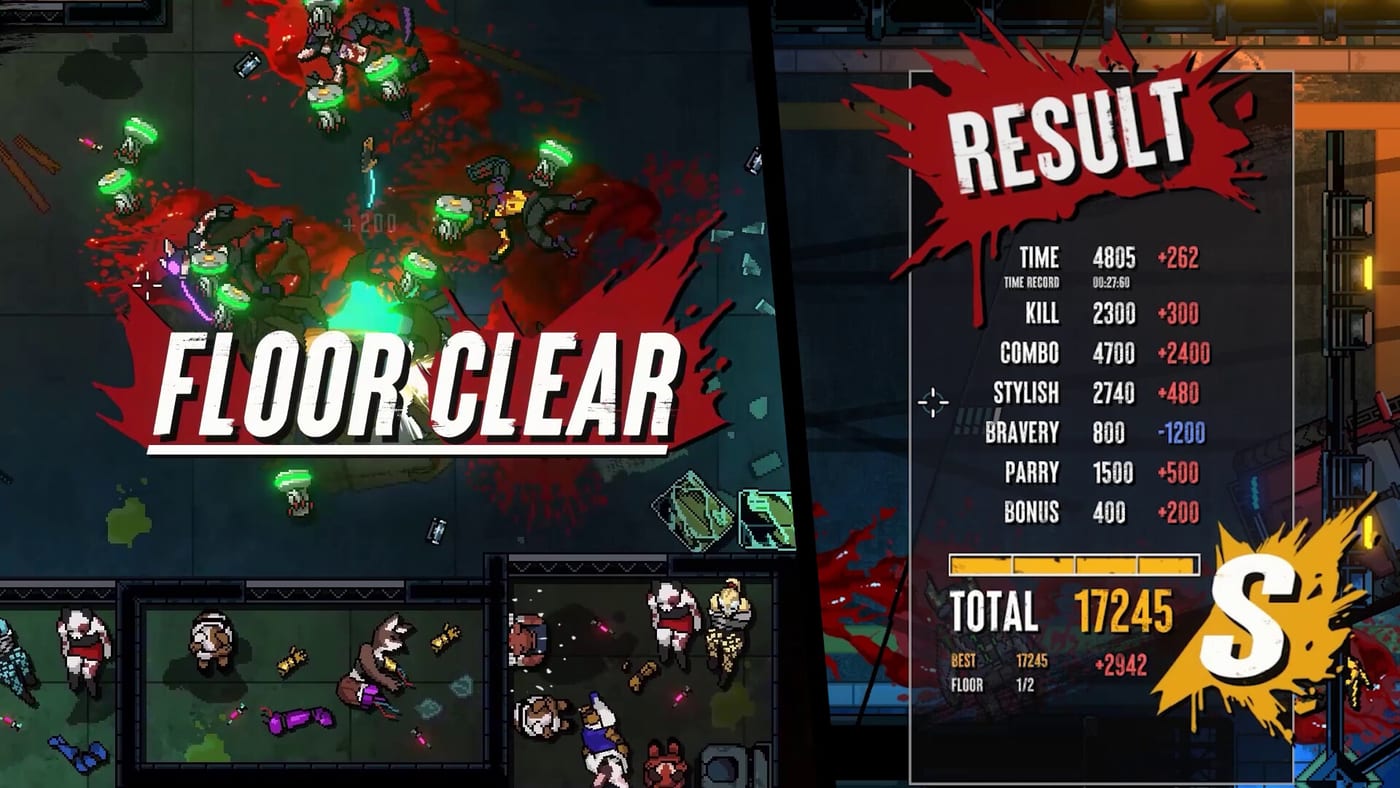
Checkpoint describes floor grades from C to SS with combo and kill-count weighting—similar grammar to S-Rank chasing. Grid choices that speed up your practiced tool raise style ceilings; grid choices that add unused weapons lower them by tempting misinputs.
Log stubborn stages in the S-Rank Tracker and tag whether the failure was grid-related (“no room for X”) or execution-related (“missed parry window”).
Post-launch honesty
Exact grid dimensions, node names, and core drop rates may change in patches after July 30, 2026. Keep the planning logic—shape budgeting, Bolts for now, cores for gates, Nimo skills need wiki backup—not a screenshot of someone else’s board from demo week.
Cross-links
- Builds Hub — category index
- Early Reviews — where critics first described Nimo and the grid
- Loadout Builds — mid-run archetypes
- War Hand Upgrades — fist spine details
- Guides Hub — execution pages
Final note
The Limbus grid is Kusan’s long game. Bolts win the room you are in; the grid wins the Jin you become ten stages later. Plan shapes before you shop, expand space before you hoard oversized weapons, and treat Nimo’s announcements as homework—not cutscene filler.
Frequently Asked Questions
Quick answers to the most common questions.
Who is Nimo in Kusan City of Wolves?
Nimo is the upgrade vendor early reviews describe as guiding Jin through grid-based weapon and skill unlocks—including parry introductions.
What are Limbus cores used for?
Scarcer progression currency tied to story elements; they gate grid expansion and high-value upgrades alongside Bolts.
How is the Limbus grid different from Bolts upgrades?
Bolts buy mid-run power during stages. The grid is a persistent Tetris-style layout of skills and weapons between chapters.
What grid build is best for beginners?
Handgun Anchor or a tight Hybrid with one reliable tool fully upgraded—avoid filling the board with unused weapons.
Where do critics discuss this system?
Read Early Reviews for Checkpoint's hands-on notes on Nimo, cores, and grid space trade-offs.